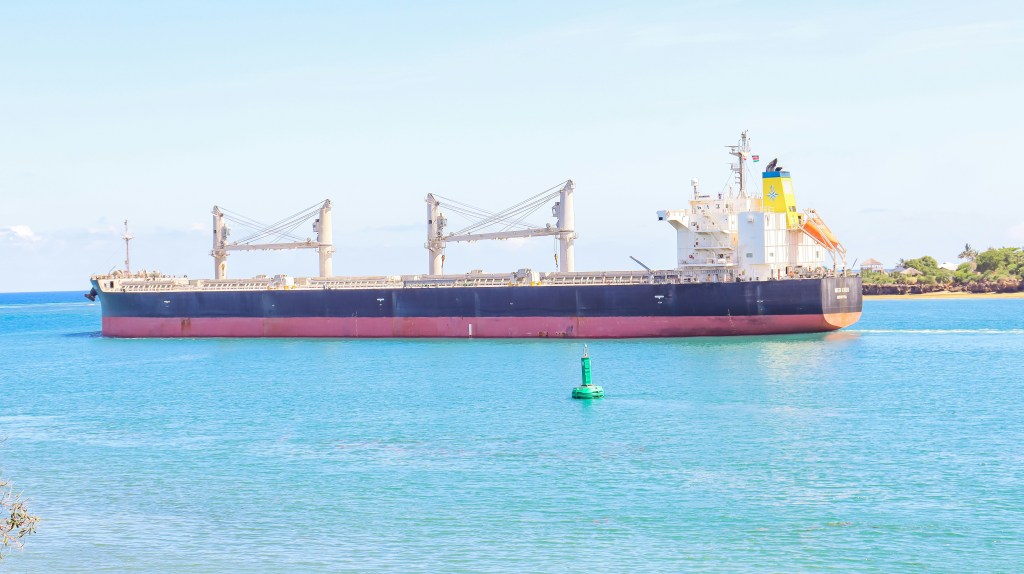
Photo From Victor Birai on Unsplash
The Oceans as Earth’s Life and Economic System
The oceans, vast and awe-inspiring, blanket more than 70% of Earth’s surface, shaping not only the planet’s geography but also its very capacity to sustain life. Beneath their shimmering waves lies a complex and interconnected web of ecosystems, at the heart of which are plankton, often invisible organisms that work ceaselessly to produce between 50% and 55% of the total world’s oxygen supply. In this view, the ocean truly function as the lungs of our planet, silently regulating the atmosphere and enabling life on land and sea alike. Beyond their ecological role, they also power a thriving global economy, serving as the lifeblood for industries such as ocean fisheries that employ tens of millions, maritime transport that drives the logistics of international trade, travel and tourism that sustains coastal communities around the world. According to OECD (2025), if the ocean economy were a country, it would be the fifth largest economy in the world this economic force that in recent years has even outperformed the combined GDP of Brazil and Spain collectively.

Photo from Enguerrand Photography on Unsplash
Plankton may be invisible to the naked eye, yet their influence resonates across some of the most crucial systems on Earth, from sustaining global fisheries to regulating the climate and maintaining the delicate balance of atmospheric oxygen. Serving as the foundation of the marine food web, they support countless interdependent species from microscopic zooplankton to the largest blue whale which bellwethers the health of entire marine ecosystems. These ecosystems, sustain industries that address global seafood demand, power communities through oil platforms, renewable energy, and maintain the backbone of trade via maritime transport. UNCTAD (2025) reports that in 2023, global ocean trade nearly reached USD 2.2 trillion, representing about 7% of total global trade, underscoring the oceans’ crucial role in the world’s complex economy. The continuation of these benefits, however, depends entirely on our commitment to science, sustainable management of marine resources provide ecological security and economic activity may come to risk.
Recognizing the inseparable link between ocean health, zooplankton populations, and the global economy, Captain Jacques-Yves Cousteau founded The Cousteau Society . Since 1973, this international non-profit organization continues to be dedicated to the exploration, protection, and restoration of marine ecosystem. With key missions that extend beyond biological research including policy advocacy, public education, and international collaboration. By safeguarding the ecological balance that sustains the world’s oxygen supply, the Society also works to preserve the economic value of the oceans, ensuring they remain one of the planet’s greatest economic engines while protecting biodiversity for future generations.
Through groundbreaking expeditions such as the Mediterranean Sea Pollution Survey and the Round-the-World Expedition, The Cousteau Society has gathered vital data showing that healthy marine ecosystems are key to maintaining both oxygen production and economic output. These ambitious scientific missions, often conducted in challenging and remote environments, have provided unprecedented insights into how marine biodiversity supports planetary stability and human prosperity. Their findings reinforce OECD’s (2025) observation that the ocean economy is not a static achievement relies heavily on protecting even the smallest life forms like plankton, which silently regulate our oxygen availability, support countless species, and sustain the productivity of marine life webs.
but also a strategic investment in planetary resilience, economic growth, and the long-term survival of life on Earth.
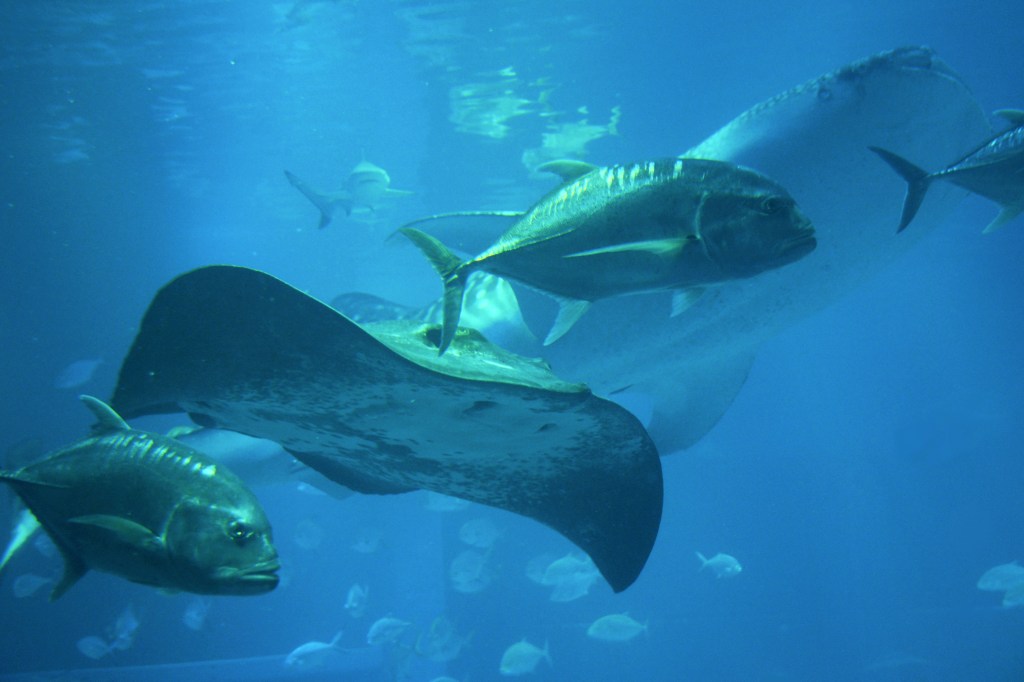
Education and public engagement are equally vital. Programs like Cousteau Divers invite volunteers to monitor coral reefs and track plankton populations, linking these activities to broader understandings of oxygen production and the oceans’ economic value. Meanwhile, campaigns such as the Cousteau Challenge raise global awareness about how protecting plankton safeguards the industries that sustain the ocean economy. This reflects a growing realization: conservation is not merely an act of environmental stewardship, but an economic necessityaligning with OECD’s (2025) projection that ocean-based industries will play an increasingly significant role in global prosperity by 2050.
The message is clear: if plankton were to vanish, oxygen production would plummet, ecosystems would collapse, and the global economy would face unprecedented disruption. Fisheries would fail, marine biodiversity would dwindle, and industries dependent on ocean resourcesfrom seafood production to maritime shippingwould be severely crippled. Without plankton, the very foundation of both ecological and economic stability would erode. The oceans’ capacity to serve as both a life-support system and an economic powerhouse depends on decisive policies enforcing sustainable practices, coupled with technological innovation and global cooperation.
By uniting science, technology, and public participation, The Cousteau Society demonstrates how humanity can protect its greatest natural heritage the oceans whose worth, according to OECD (2025) and UNCTAD (2025), surpasses that of many of the world’s largest national economies. Safeguarding these waters is not only an environmental imperative, but also a profound investment in the stability of the climate, the security of food supplies, and the continued prosperity of human civilization. Every drop of water carries the history of our planet and the promise of tomorrow; in protecting it, we secure both the breath of our planet and the well-being of future generations.
Reference
OECD. (2025). The ocean economy to 2050. Organisation for Economic Co-operation and Development
UNCTAD. (2025). Global trade update: Sustainable ocean economy. United Nations Conference on Trade and Development
 Gratify Gravity