
Revising Consideration of Armenian Ancestry
Sometimes the farther back a culture or people go, the harder it becomes to trace any precise start or place of origin, such is the case with the Armenian sombering. An ancient people that has specific language a writing system and a region of historical concentration. However, recent and current descriptions of Armenians seem to not accurately encapsulate their exact status, ethnicity, or culture. What is known is that they are mentioned in as far as 3,000 years backfrom various texts like the Holy Bible, neighboring Roman Empire treaties and Persian kingdoms. The assumptions partly seem to point somewhere at the bridge point of origin between the Bronze Age and late Iron Age. They have a specific alphabet that was formed almost as far back as when they were first nation adopted religiously Christianity sometime thereafter, in 305 AD.
What is tricky and still bothersome, is their exact Christian denomination and formal ethnic description categories. This ranges broadly from a Caucasus region people, to Indo-European, to Mediterranean, from full caucasian to just Middle Eastern. However, after obtaining hand-woven artisan gifts, from it and doing some internet bar enrichment, I stumbled upon something far more interesting than I had originally hoped. Although Armenia was once a member state of the U.S.S.R., it was clearly mentioned in historical texts ranging from ancient Rome, early Greece, King Darius of Persia. It once held together a respectable range of land in a short-lived empire kingdom, its history is a tumultuous and proud faith but often devastated population with many tragedies and atrocities thrust upon them. Most of its wars have all been fought and mostly lost, suffered horrendous earthquakes and famine, then after most generations of its people lived through occupied land at various times.
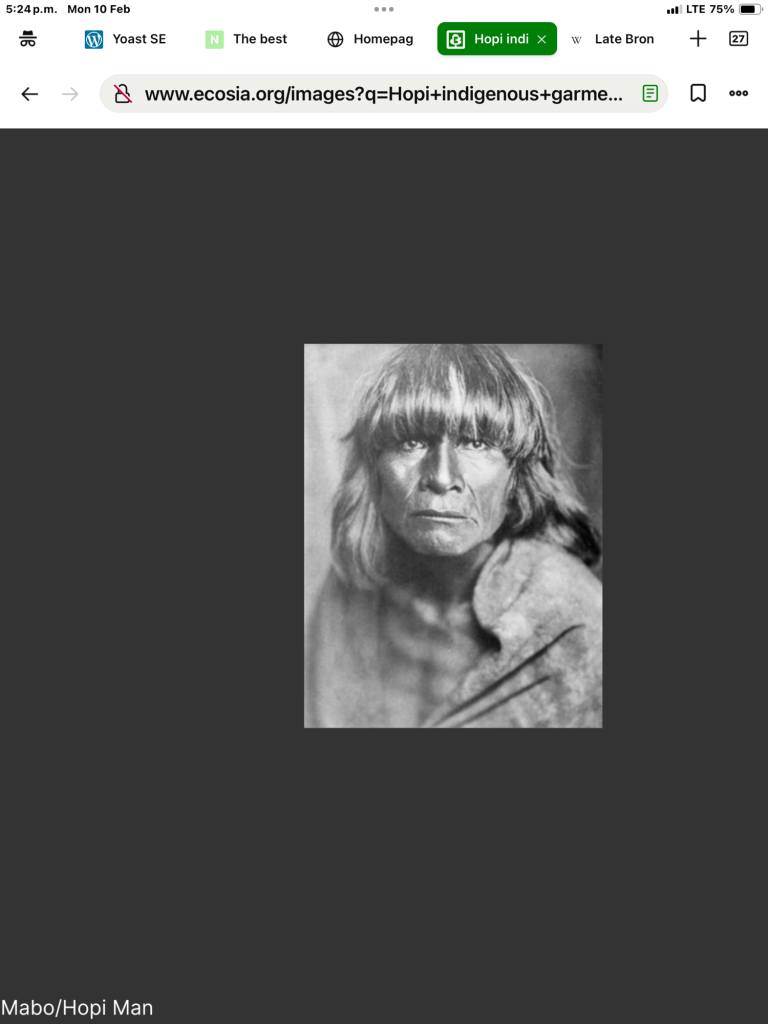
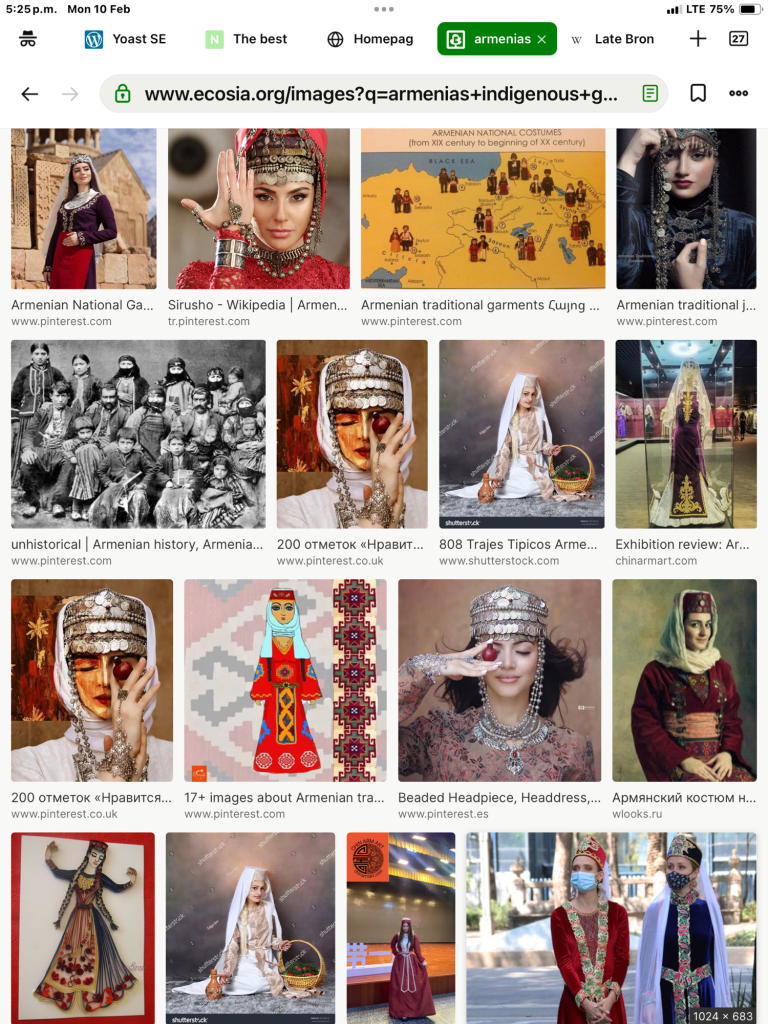
The thing that stuck out to me, was a historical anomale similar to how there are the unexplainable pyramids in Cairo and the Nile delta, just as throughout various agrarian central trade centers of Mesoamerica. The customs, the festival garments, the art, the pottery and hand-woven rugs and ancestral crafts, look awfully similar to that of many of the plains Indians even as far along Inca indigenous people. So it begged me curiously to question, are we a type of non-Arab semi-Caucasoid indigenous ethnic group, semi nomad such as the Bedouins?


Please contribue any useful resources to this discussion:
 Gratify Gravity